
A water cooler dispenser is no longer just a workplace convenience—it has become an essential appliance for homes, offices, healthcare facilities, and commercial spaces. Whether you’re looking for instant hot water, refreshing cold water, or a sustainable alternative to bottled water, the right water cooler dispenser can significantly improve daily hydration and efficiency.
In this guide, I’ll walk you through what a water cooler dispenser is, how it works, the different types available, and how to choose the best option for your needs.
What Is a Water Cooler Dispenser?
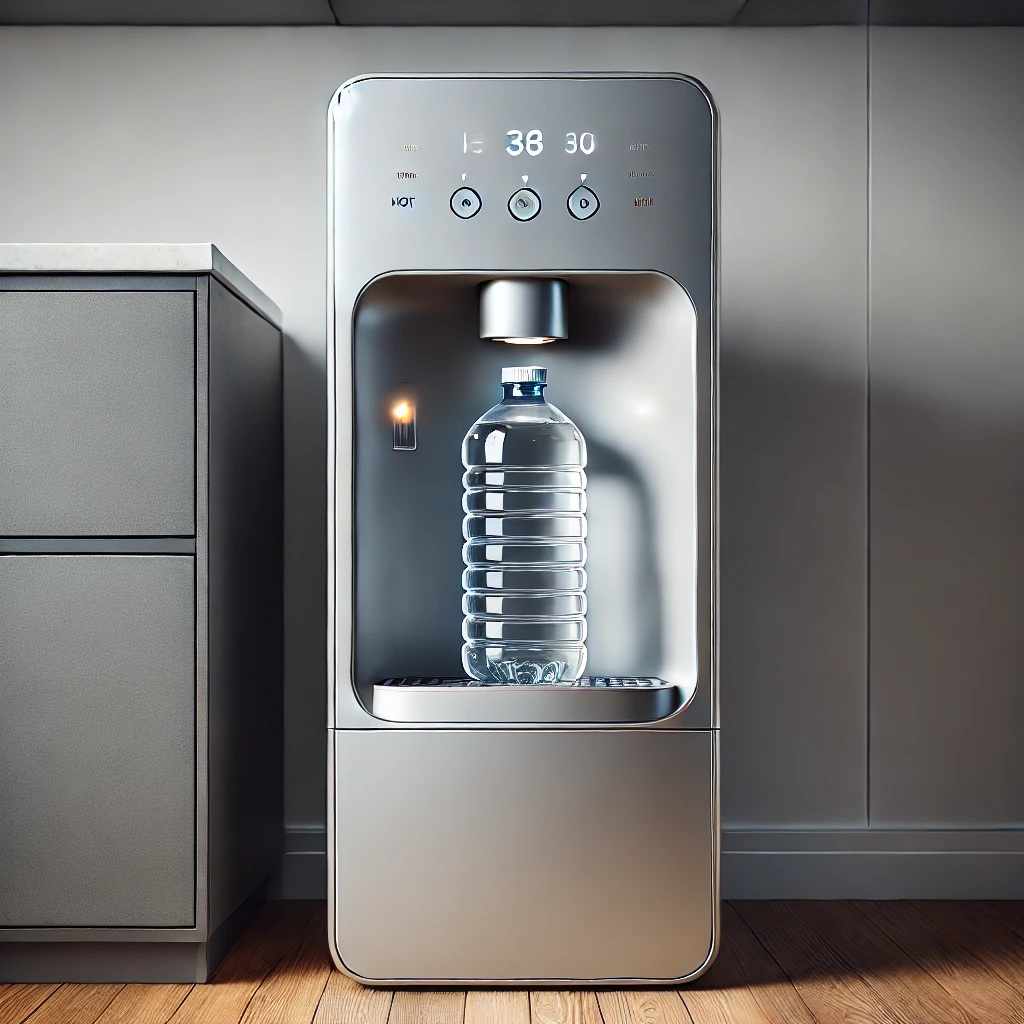
A water cooler dispenser is a device designed to dispense drinking water at controlled temperatures—typically cold, hot, or room temperature. It can be bottle-based or connected directly to a water supply and often includes filtration systems to improve water quality.
Modern water cooler dispensers are engineered for:
Consistent temperature control
Improved hygiene
Energy efficiency
High-volume usage
They are commonly used in offices, schools, hospitals, gyms, and increasingly in residential kitchens.
How Does a Water Cooler Dispenser Work?
A water cooler dispenser operates by storing water in an internal reservoir and regulating its temperature through cooling and heating mechanisms.
Cooling system: Uses compressor or thermoelectric technology to chill water
Heating system: Uses internal heating elements for hot water
Dispensing mechanism: Push buttons, taps, or touch-free sensors
Filtration (optional): Removes impurities, chlorine, and odors
The design ensures instant access to water without waiting for refrigeration or boiling.
What Are the Main Types of Water Cooler Dispensers?
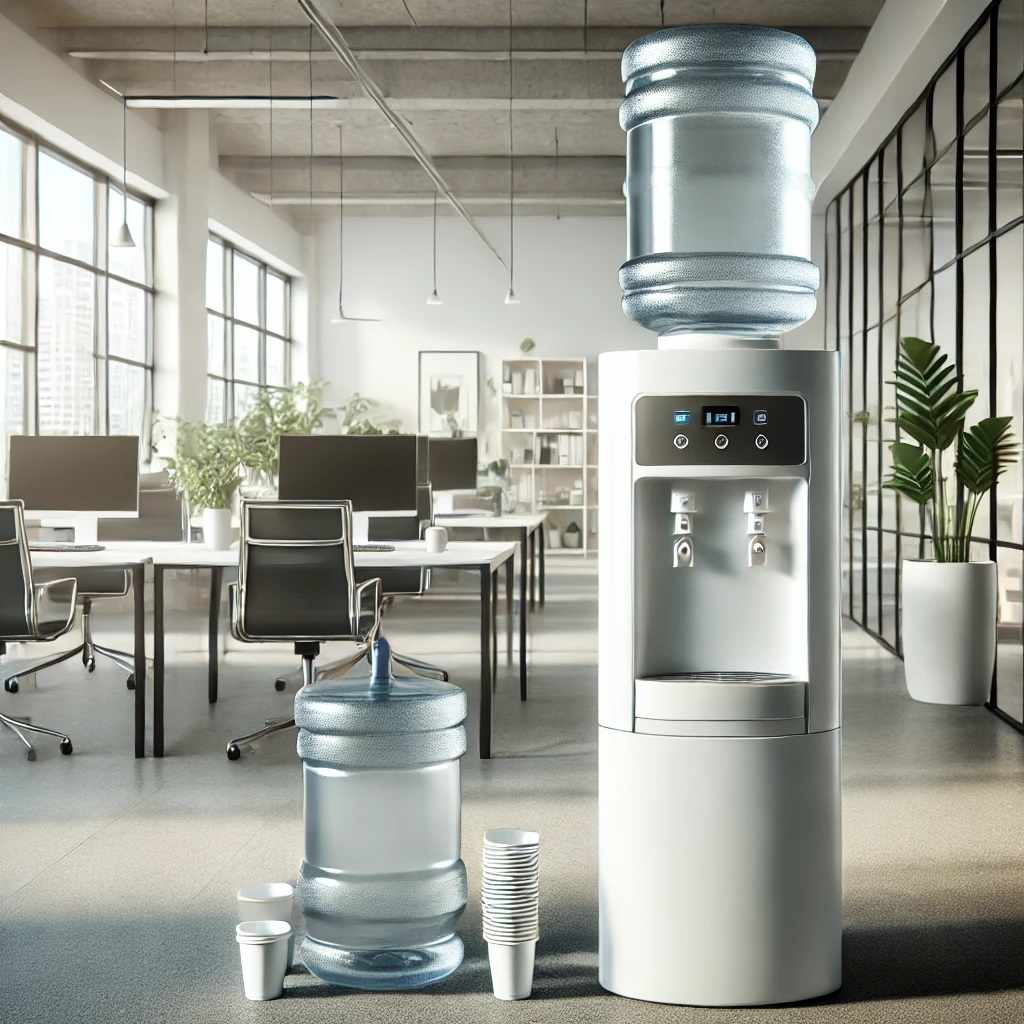
1. Bottled Water Cooler Dispenser
This type uses large water bottles (typically 3 or 5 gallons) placed on top or inside the unit.
Best for:
Locations without direct plumbing
Temporary setups
Pros:
Easy installation
No plumbing required
Cons:
Bottle replacement effort
Ongoing bottle costs
2. Bottleless (Point-of-Use) Water Cooler Dispenser
These connect directly to a water supply and use built-in filters.
Best for:
Offices and high-traffic areas
Long-term cost savings
Pros:
Unlimited water supply
Reduced plastic waste
Lower long-term cost
Cons:
Requires installation
Filter maintenance
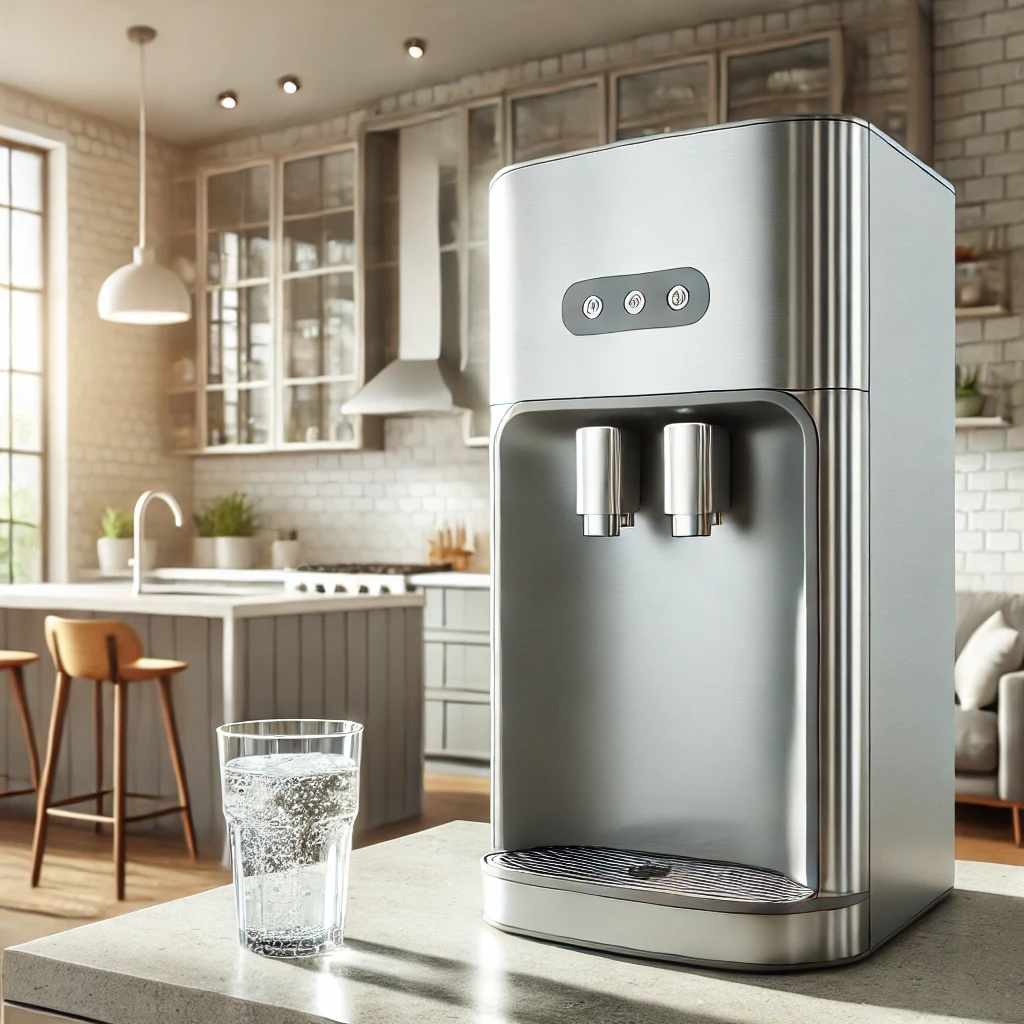
3. Countertop Water Cooler Dispenser
Compact units designed to sit on counters or tables.
Best for:
Small kitchens
Apartments
Pros:
Space-saving
Affordable
Cons:
Lower capacity
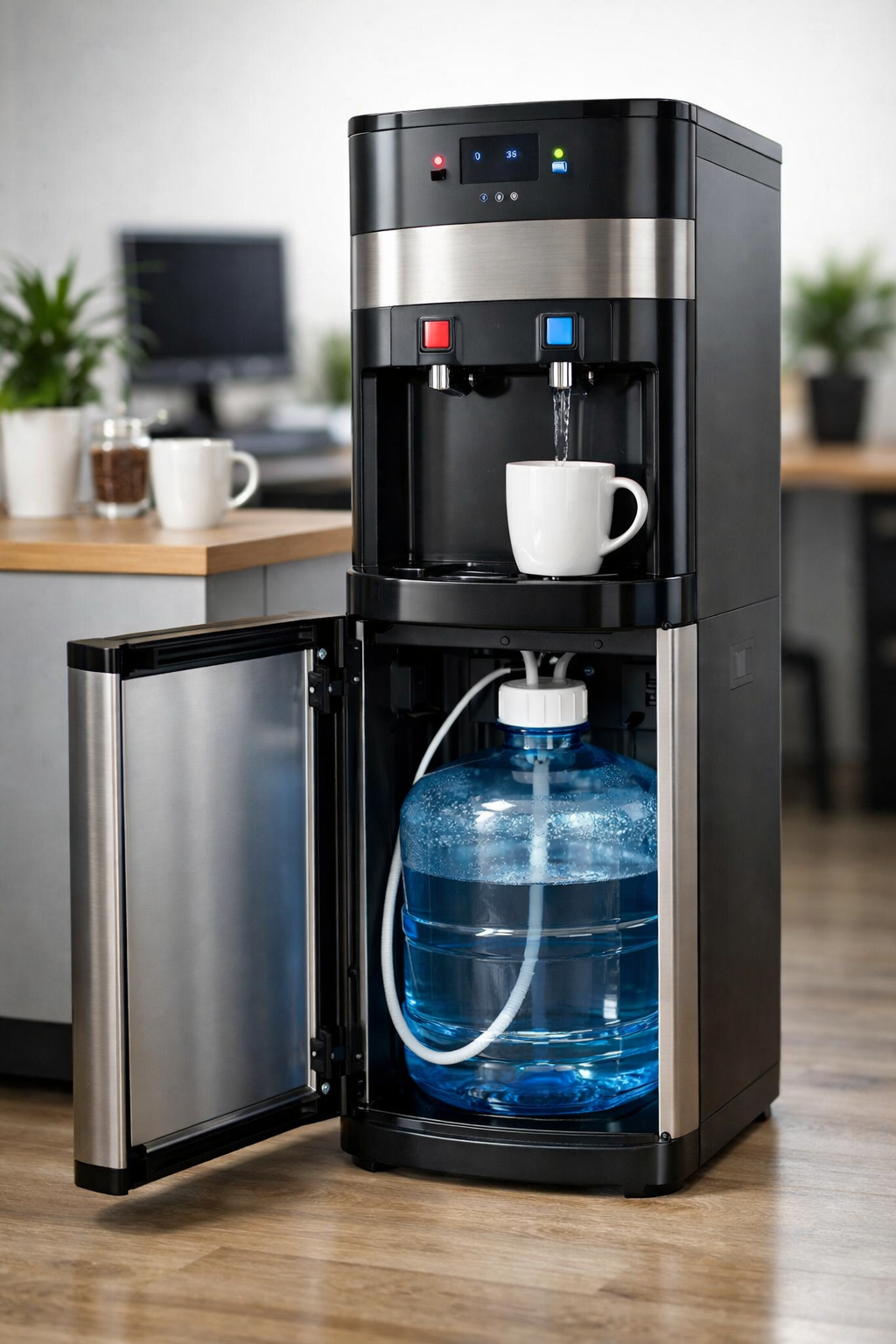
4. Bottom-Loading Water Cooler Dispenser
Bottles are hidden inside the cabinet, eliminating heavy lifting.
Best for:
Homes and offices prioritizing convenience
Pros:
Easy bottle replacement
Sleek design
Cons:
Slightly higher cost
Why Use a Water Cooler Dispenser?
Improved Hydration
Easy access to clean, great-tasting water encourages people to drink more throughout the day.
Convenience
Instant hot or cold water saves time for coffee, tea, and cooking.
Cost Efficiency
Compared to bottled water, a water cooler dispenser significantly reduces long-term expenses.
Sustainability
Bottleless models reduce plastic waste and carbon footprint.
What Features Should You Look for in a Water Cooler Dispenser?
When selecting a water cooler dispenser, consider the following features:
Temperature options: Hot, cold, and ambient
Child safety locks: Essential for hot water taps
Filtration system: Multi-stage or reverse osmosis
Energy efficiency: Energy Star certified models
Touchless dispensing: Improved hygiene
Storage cabinet: For cups or accessories
Is a Water Cooler Dispenser Suitable for Home Use?
Absolutely. Many homeowners now install water cooler dispensers to replace traditional kettles and bottled water. Compact and countertop models are particularly popular for kitchens, home offices, and garages.
For families, safety features and filtration quality are key considerations.
How Do You Maintain a Water Cooler Dispenser?
Proper maintenance ensures clean, safe drinking water:
Clean external surfaces weekly
Sanitize internal components every 3–6 months
Replace filters as recommended by the manufacturer
Check for leaks and wear
Regular maintenance extends the lifespan of your water cooler dispenser and preserves water quality.
How Much Does a Water Cooler Dispenser Cost?
Prices vary depending on type and features:
Basic bottled models: Budget-friendly
Advanced bottleless systems: Higher upfront cost, lower long-term expense
Commercial units: Designed for high usage, higher price point
When evaluating cost, factor in maintenance, filters, and energy usage—not just the initial purchase price.
Frequently Asked Questions About Water Cooler Dispensers
What is the best water cooler dispenser for offices?
Bottleless water cooler dispensers with multi-stage filtration are ideal for offices due to unlimited supply and low maintenance.
Are water cooler dispensers safe?
Yes, especially models with certified filtration systems and child safety locks.
Do water cooler dispensers use a lot of electricity?
Modern units are energy-efficient and designed to minimize power consumption.
How often should filters be changed?
Most filters need replacement every 6–12 months, depending on usage and water quality.
Can a water cooler dispenser replace bottled water?
Yes. Bottleless water cooler dispensers are a cost-effective and eco-friendly alternative.
Final Thoughts
A water cooler dispenser is a smart investment for anyone seeking convenience, improved hydration, and long-term savings. Whether you choose a bottled, bottleless, countertop, or bottom-loading model, the right dispenser enhances both comfort and productivity.




Write a comment ...